Routine washing removes visible dirt, but it does not address every contaminant or surface issue that develops as a vehicle is driven. Car detailing takes a more systematic approach by cleaning, restoring, and protecting selected exterior and interior surfaces.
Understanding what detailing actually includes helps car owners choose an appropriate service rather than expecting every detailing package to produce the same result.
In Nagpur, Maharashtra, vehicles can regularly encounter dust, sunlight, road grime, bird droppings, water spotting, and contamination. How these are handled can influence the vehicle's appearance over time.
Detailing Goes Beyond a Regular Car Wash
A normal wash primarily removes loose surface dirt. Exterior detailing can involve multiple stages depending on the condition of the vehicle.
These may include:
- Thorough exterior cleaning
- Wheel and tyre cleaning
- Removal of bonded surface contamination
- Paint inspection
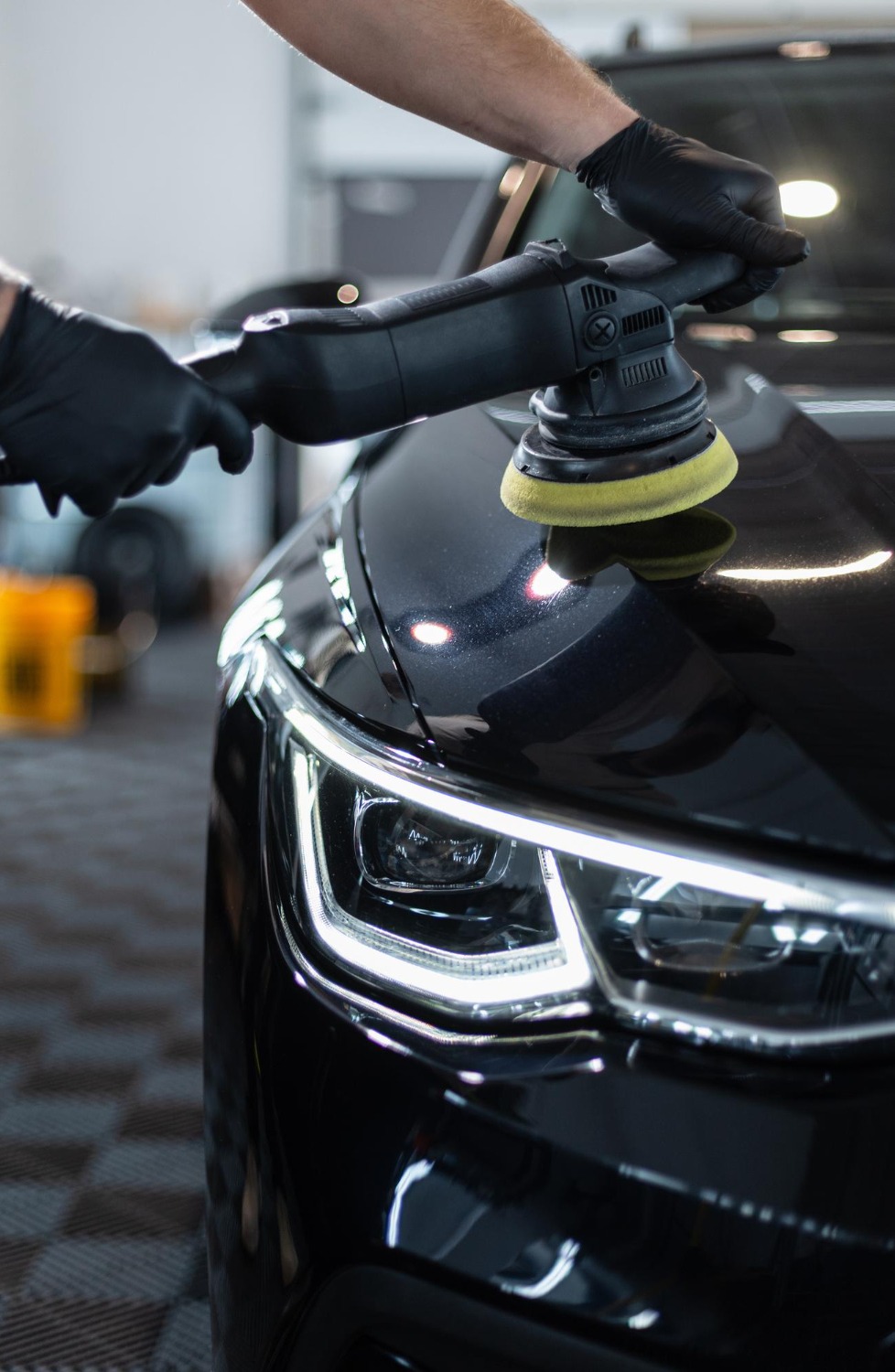
- Selected paint correction
- Polishing where appropriate
- Application of a suitable protective product
Not every vehicle requires every step.
For example, polishing a relatively new finish simply because it is part of a package may not always be necessary. Inspection should determine what the paint actually needs.
What Does Paint Correction Mean
Swirl marks and fine defects can make paint appear dull under direct lighting. Selected machine polishing processes can reduce the appearance of certain defects by refining the clear-coat surface.
This is different from merely applying a glossy product over the paint.
Deep scratches that extend through the clear coat may not be safely removable through polishing. A responsible assessment should distinguish between correctable surface defects and damage requiring another repair approach.
Interior Detailing Needs Material Specific Cleaning
Car interiors contain different materials including fabric, leatherette, plastics, carpets, glass, screens, and trim.
Using one chemical everywhere is rarely appropriate.
A thoughtful interior process considers the material before choosing cleaners and techniques. Excessive moisture should also be avoided around electrical components, switches, screens, and sensitive areas.
How Frequently Should a Car Be Detailed
There is no universal detailing schedule.
Frequency depends on:
- Where the car is parked
- How frequently it is driven
- Exposure to dust and weather
- Whether children or pets regularly travel in it
- Existing paint protection
- The owner's appearance expectations
A vehicle parked outdoors every day may require different care from a weekend car kept in covered parking.
Does Detailing Remove Every Scratch
No.
Very light surface defects may improve significantly through appropriate correction, while deeper scratches may remain visible. Trying to remove excessive clear coat simply to chase a deep defect can be counterproductive.
An inspection is therefore more useful than a promise that every scratch will disappear.
Maintenance After Detailing Matters
The results of professional detailing can be undermined by poor washing practices. Dirty cloths, harsh detergents, dry wiping, and unsuitable automatic brushes can introduce new marks.
Using clean microfiber towels, appropriate automotive shampoo, and careful washing techniques helps maintain the finish.
For motorists considering car detailing in Nagpur, the useful question is not simply how shiny the car will look afterward. Ask what processes are actually included, which defects can realistically be improved, what protection will be applied, and how the vehicle should subsequently be maintained.
A well-detailed car should look cleaner and better cared for without relying on unrealistic claims about making every used surface permanently look new.
Keywords