A new car's paint can begin collecting minor marks surprisingly quickly. Highway debris, small stones, insects, parking-area contact, road contamination, and routine use can all affect exposed painted surfaces.
For owners primarily concerned about physical paint protection, PPF coating is one option worth understanding.
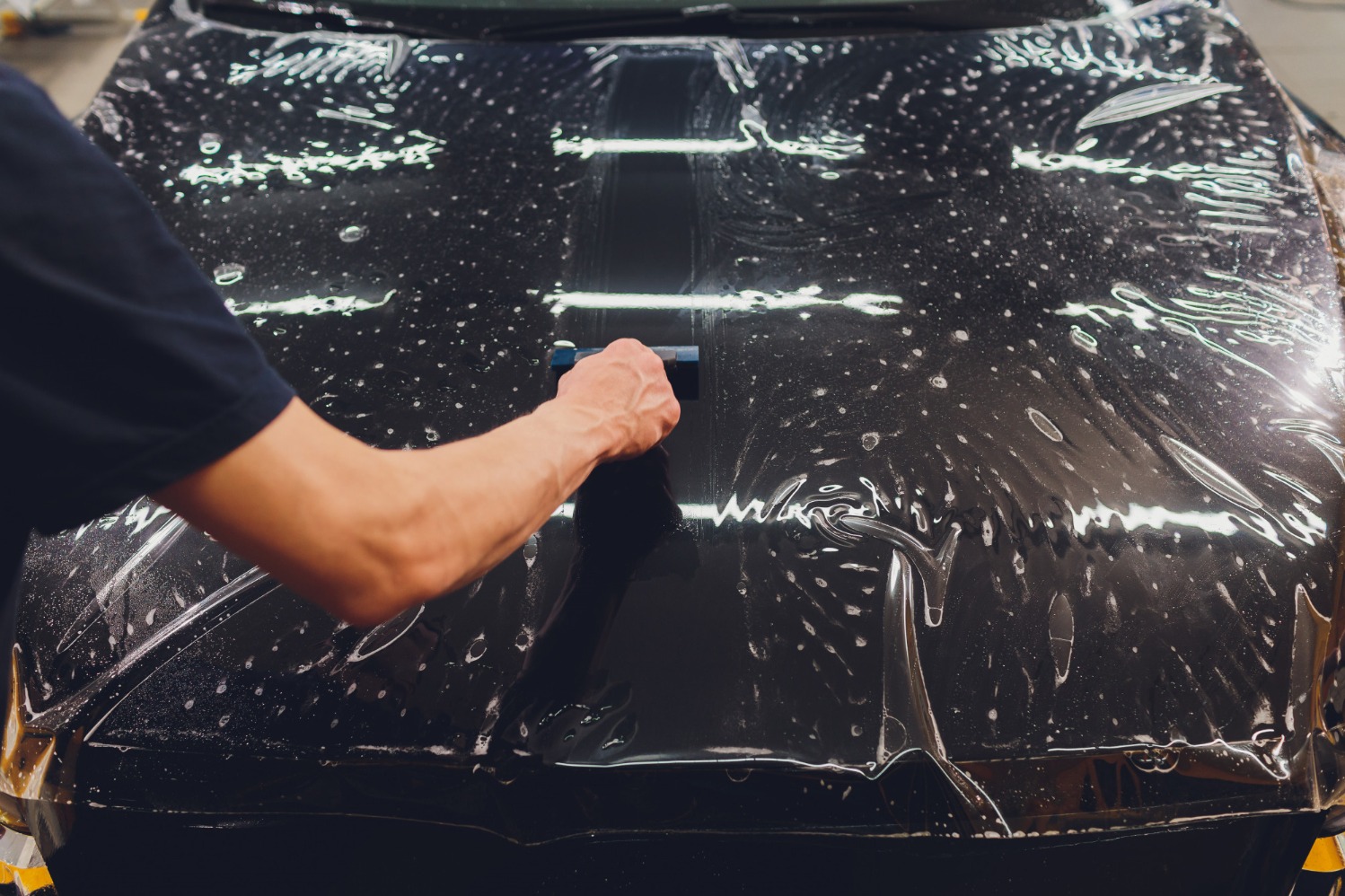
Paint protection film is a transparent film installed over selected painted panels. Unlike products applied as liquids, it creates a physical layer between the original finish and some forms of external contact.
What PPF Is Designed to Protect Against
Quality paint protection film is commonly used to reduce damage from:
- Minor stone chips
- Light superficial abrasions
- Road debris
- Bug splatter
- Certain environmental contaminants
- Everyday contact on vulnerable areas
It does not make a vehicle immune to dents, collisions, deep scratches, or severe impacts.
That distinction matters because unrealistic expectations can lead to disappointment.
Full Body PPF Is Not the Only Option
Owners can protect selected high-exposure areas instead of wrapping the entire painted exterior.
Common areas include the bonnet, front bumper, front fenders, mirrors, door edges, and other sections that frequently encounter road debris.
Someone driving regularly on highways around Nagpur and elsewhere in Maharashtra may have different protection priorities from a driver who primarily uses the vehicle for shorter urban journeys.
Paint Condition Matters Before Installation
PPF is transparent, so the condition beneath it remains important.
A vehicle should be properly inspected and prepared before installation. Contamination, visible defects, residues, and existing damage should be identified beforehand.
Owners of older vehicles may therefore need a different preparation process from owners bringing in a recently delivered car.
Installation Quality Can Affect the Final Appearance
Film specifications are only part of the decision.
The installer must also manage panel preparation, positioning, edges, curves, stretching, and finishing. Poor installation may result in visible edges, contamination beneath the film, lifting, bubbles, or an inconsistent finish.
Complex bumpers and sharply contoured body panels require particular attention.
Does PPF Need Maintenance
Yes.
PPF-covered vehicles still need appropriate washing and care. Harsh chemicals, aggressive scrubbing, and careless pressure washing around edges may affect the film.
Bird droppings, insects, and other contamination should not simply be ignored because PPF is present.
Owners should ask for maintenance instructions that match the particular film installed.
Can PPF Be Applied to Every Car
PPF can be used on many vehicles, but suitability depends partly on paint condition and previous repair work.
Repainted panels deserve particular inspection because film removal later can behave differently depending on the quality and adhesion of the underlying repaint.
This is one reason an assessment before installation is valuable.
What Should You Ask Before Choosing PPF
Before approving PPF coating, ask about film coverage, thickness specifications where relevant, finish, warranty terms, preparation, edge treatment, maintenance, and what happens if an individual panel becomes damaged.
In Nagpur, RS Car Accessories can be considered by owners wanting to inspect PPF options alongside other vehicle-protection services.
PPF makes the most sense when expectations are clear. It is a protective layer intended to reduce certain forms of everyday paint damage, not an invisible shield against every possible incident a car can encounter.
Keywords