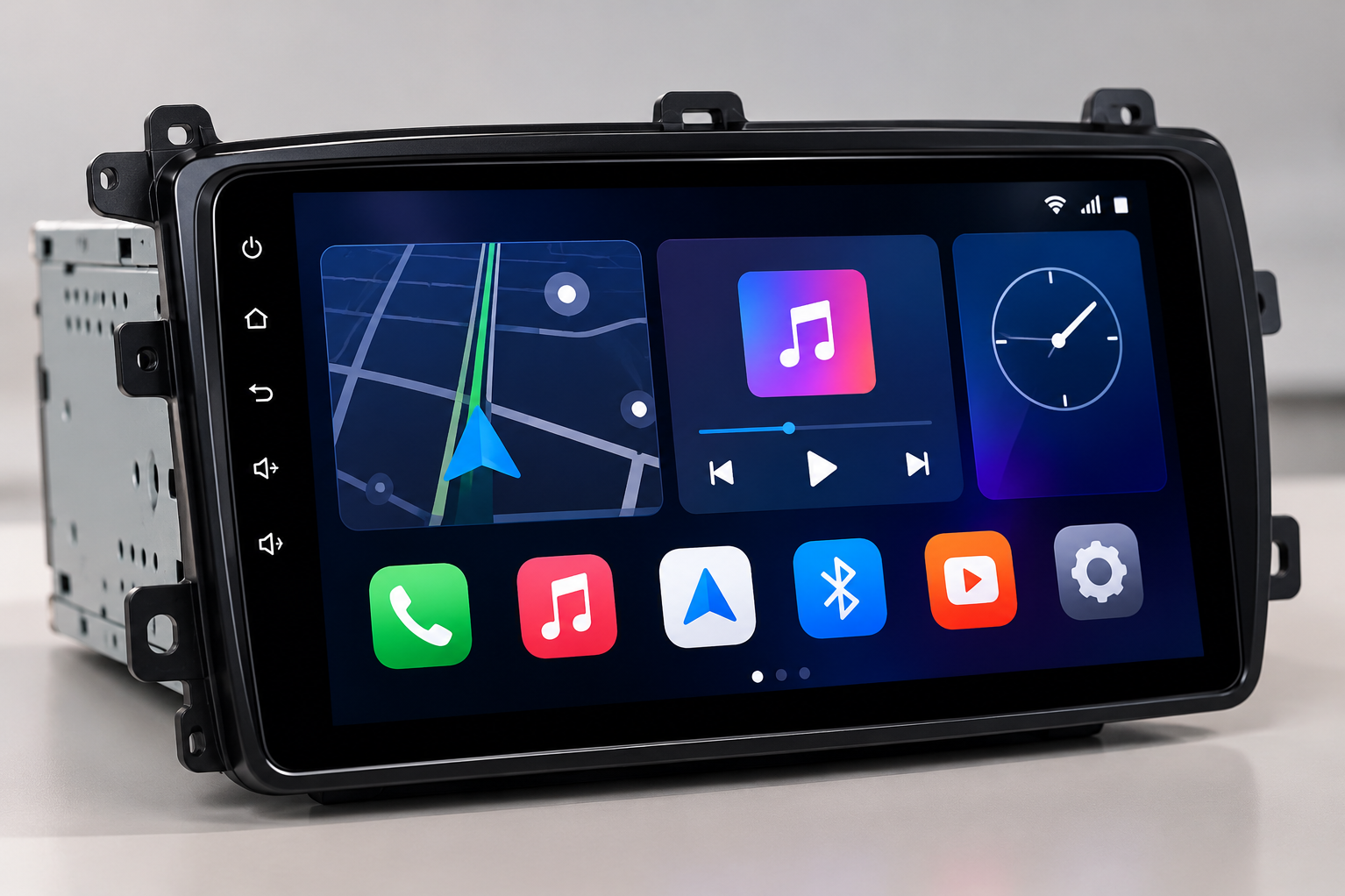
Factory infotainment has improved considerably, but many vehicles still have older head units with limited connectivity, smaller screens, outdated interfaces, or restricted media options. Installing an Android music system for cars can add modern functionality without replacing the vehicle itself.
The important question is not whether a larger display looks attractive. It is whether the system integrates properly with the car and provides the features you will genuinely use.
Check Compatibility Before Screen Size
Large screens often attract attention first, but vehicle integration deserves priority.
Before choosing a system, confirm compatibility with:
- Steering-mounted controls
- Factory speakers
- Reverse camera
- Parking sensors where applicable
- Existing USB connections
- Factory amplifier where fitted
- Vehicle-specific settings
- Smartphone connectivity
Some cars require additional adapters or interfaces to preserve factory functions.
Performance Specifications Affect Everyday Use
An infotainment system is essentially an in-car computer.
Processor performance, memory, storage, software optimization, display responsiveness, boot time, connectivity, and thermal management can influence the experience.
A large screen that responds slowly can become frustrating during daily use.
Rather than comparing displays solely by size, evaluate how smoothly common functions operate.
Navigation and Smartphone Connectivity Matter
Navigation is one of the main reasons owners consider an Android system.
Depending on the unit and configuration, drivers may gain access to navigation applications, Bluetooth calling, music streaming, smartphone integration, and compatible camera feeds.
For motorists navigating Nagpur traffic and making longer journeys across Maharashtra, easy access to frequently used functions can improve convenience.
The interface should remain simple enough to minimize distraction while driving.
Audio Quality Should Not Be Ignored
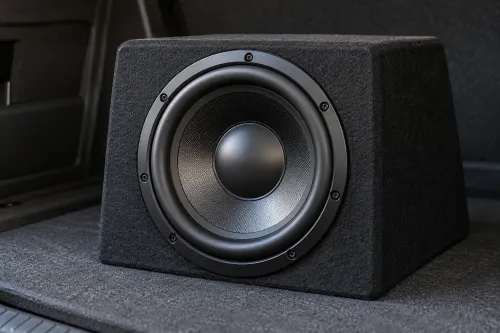
An infotainment upgrade can influence the audio experience, but the result also depends on speakers, amplification, tuning capabilities, and the quality of installation.
If audio improvement is a major objective, discuss the entire signal chain rather than assuming that changing the display alone will dramatically improve sound.
Installation Should Preserve a Factory Like Finish
A well-installed system should sit securely in the dashboard with appropriate fascia panels and clean wiring.
Loose panels, poorly fitted frames, visible gaps, or improvised wiring can make an otherwise capable system feel like a poor upgrade.
Ask how the installer plans to integrate the unit before approving the work.
What Should You Check Before Buying
Look beyond the specification sheet and ask about:
- Vehicle-specific compatibility
- User-interface responsiveness
- Connectivity options
- Camera support
- Audio outputs
- Steering-control integration
- Warranty
- Software support
- Installation method
For car owners considering an Android music system for car in Nagpur, RS Car Accessories can help evaluate compatibility alongside existing audio, camera, and steering-control functions.
The right upgrade should make commonly used features easier to access while maintaining reliable vehicle integration. A responsive interface and careful installation usually provide more everyday value than simply choosing the largest available display.
Keywords