A car that looks impressive can become tiring, impractical or costly when its upgrades ignore the way you drive. Before choosing seats, screens, wheels or exterior styling, you need a method that ranks comfort, appearance, convenience and safety against your roads, passengers, parking conditions and resale plans.
Key takeaways
- Prioritize safety, comfort and convenience before appearance upgrades.
- Budget for changes that improve every journey, not just parked-car appeal.
- Keep airbags, seat-belt paths and factory restraint systems unobstructed.
- Check ground clearance, wheel fitment, visibility and local rules before installation.
Start With the Car You Actually Use
Priority follows the hours and conditions your car actually faces, not the most noticeable showroom change. In car customization planning, put safety equipment first, then comfort upgrades, convenience technology and style upgrades according to your daily driving needs. A lowered car that scrapes every ramp is a poor upgrade, however attractive it looks.
Ask these questions before spending:
- Who drives the car, and do children, older passengers or several adults need regular access?
- How many hours do you spend inside it each week?
- Does it live outdoors, where heat, dust and cleaning matter?
- How much highway driving, rough-road travel and tight parking do you do?
- Does resale value matter enough to favour reversible, factory-like changes?
| Priority | Choose it first when | Check before buying |
|---|---|---|
| Safety equipment | You need better visibility, recording or secure floor coverage | Keep dashcams and phone mounts outside sightlines and airbag paths. Fit replacement mats to the vehicle’s retaining clips; never stack them. Use the cold tyre pressure on the vehicle placard or manual, not the sidewall maximum. |
| Comfort upgrades | Long journeys, heat or passenger fatigue are routine | Check seat-cover material, ventilation, stitching, cushioning and fit so the result does not alter posture or interfere with seat belts. |
| Convenience technology | A repeated task wastes time every day | Confirm the display, charger or hitch suits the vehicle. A receiver does not prove towing capacity; check trailer and tongue-weight limits in the manual. |
| Style upgrades | Practical needs are already covered | Test wheel clearance, ramp angles and pothole exposure before choosing aggressive fitment, lowered suspension or rigid body parts. |
Set a Budget by Driving Impact, Not Visual Appeal
A 40/40/20 split is a useful starting point for a car customization budget: 40% for safety and damage prevention, 40% for comfort and convenience, and 20% for appearance. Put style last because a visual upgrade cannot compensate for poor visibility, painful seating or expensive wheel damage.
- Safety and protection: budget for correctly sized tires, secure floor mats, clear lighting and safe accessory mounting. Read the vehicle placard or owner’s manual for cold tire pressure; the number on the tire sidewall is its maximum, not your daily setting. Never stack mats, cover lamps with dark film or place a dashcam in an airbag path.
- Comfort and convenience: choose seat-cover material, cushioning and ventilation based on heat, cleaning and the hours you spend inside. A taller-sidewall tire package can absorb potholes better than a low-profile setup.
- Style: reserve this money for colour, trim, wheels, spoilers or body kits after checking clearance. Aggressive fitment can damage wheels at curbs, while lowered suspension and rigid body parts can scrape ramps and speed humps.
Shift more money toward protection for highway driving, outdoor parking or rough roads. A family car also deserves comfort and easy cleaning before dramatic styling. If resale value matters, keep original parts and avoid irreversible changes; buyers may reject dark lamps, extreme lowering or unusual interiors.
Review the upgrade priorities after considering who drives, where you park and what passengers or cargo need.
Choose Interior Upgrades That Preserve Comfort and Restraint Safety
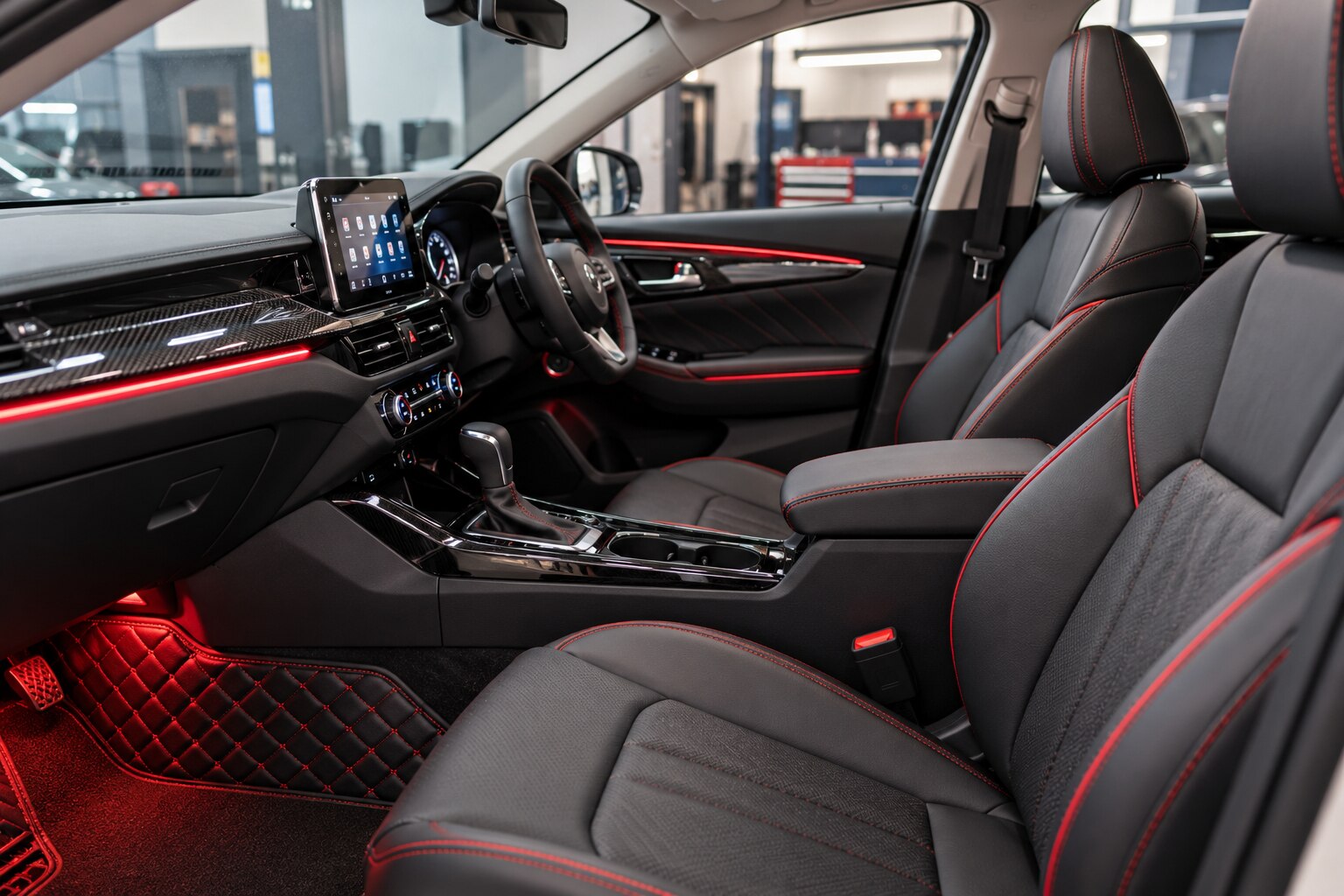
A seat cover is safe only when its seat-cover material, seat-cover stitching and opening match the original seat’s side airbags, occupancy sensors and controls. A tight fit is not proof of compatibility.
| Upgrade | Compare | Reject if |
|---|---|---|
| Seat covers | Breathability, heat retention, washable finish and access to ISOFIX points | The cover hides an airbag seam, traps heat or prevents the seatbelt buckle from working |
| Cushions | Seat cushioning and fit, driving posture and support | It lifts you into an awkward belt position or presses against occupancy sensors |
| Floor mats | Correct shape, heel support and retaining clips | The mat slides, curls near the pedals or sits on top of another mat |
| Interior technology | Visibility, controls and airbag clearance | A mount or dashcam blocks the sightline or occupies an airbag deployment path |
Check the seat before ordering. Confirm whether seat ventilation, heating, lumbar controls and the seatbelt receiver remain unobstructed; a thick cover can reduce airflow and make a heated element feel uneven.
Use the vehicle’s retaining clips for replacement floor mats. Test full accelerator and brake travel with the engine off, then remove any mat that shifts.
For cushions and covers, ask for vehicle-specific compatibility evidence rather than accepting “universal” fit. Keep ISOFIX anchor labels and access points visible.
Mount a phone or dashcam outside the driver’s sightline and away from dashboard, pillar and seat-mounted airbag paths. Convenience is not an improvement if restraint deployment or visibility suffers.
Match Displays, Wheels and Suspension to Everyday Usability
A useful upgrade survives potholes, traffic and daily parking—not just a showroom inspection. Test technology from the driver’s seat, then test wheels and suspension where clearance and comfort matter.
An Android display comparison should include the factory infotainment, not only screen size. Check screen visibility in direct sun, glare at night, touch response, boot time after a cold start, steering-wheel controls, reverse-camera compatibility and the policy for software updates.
A phone mount or portable navigation device may be more reliable than replacing a functioning system.
For wheels, confirm more than the bolt pattern. Wheel offset moves the rim toward the strut or fender and changes steering feel, so the installer must test full steering lock and suspension compression. Changing tire size or wheel diameter also alters rolling circumference, speedometer accuracy, steering effort and sidewall flex.
Ask for these checks before approving the package:
- Confirm the tire’s load rating and speed rating match the vehicle.
- Verify brake, strut, fender and suspension clearance.
- Compare the proposed pressure with the vehicle placard or owner’s manual, not the tire sidewall maximum.
- Inspect low-profile tires for the ride and pothole damage you will accept.
Lowering springs and coilovers reduce ground clearance and bump travel. Request suspension alignment after installation; without it, uneven tire wear and unstable handling can follow. Evaluate ramps, speed humps, parking structures and passenger or cargo use before choosing an aggressive setup.
Finish the Design With Legal, Practical and Installation Checks
Approve the plan only after the installer records your vehicle’s exact year, variant, existing equipment and intended use. Ask for a written compatibility check, the measurements used, the legal basis for each exterior change and the effect on warranty, insurance and resale.
Use this installer checklist:
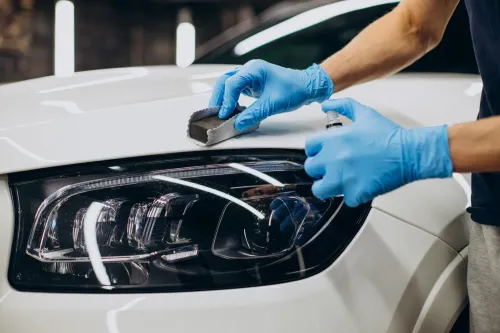
- Measure finished window-tint VLT on the glass, separately for the windshield, front side windows and rear glass. Confirm your state’s limits; film packaging alone is not proof of compliance.
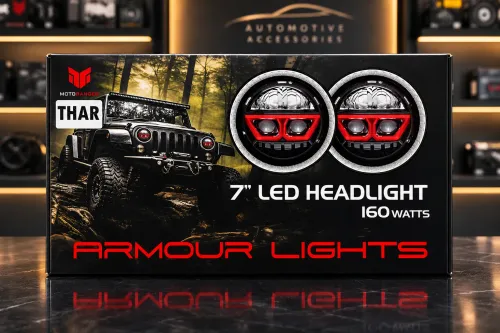
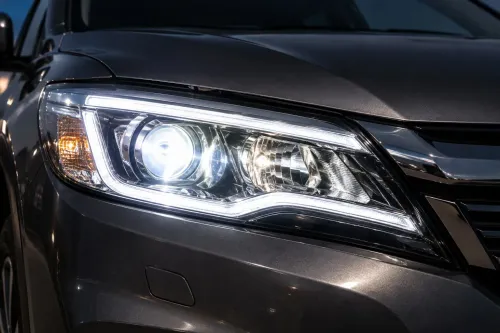
- Reject lamp covers that reduce lamp visibility or change required colours. Check that indicators, brake lamps, headlamps and number-plate lights remain unobstructed.
- Confirm the roof-rack dynamic load from the vehicle, rails, rack and accessory. Use the lowest rating, distribute the load and secure it against shifting.
- Check towing capacity, trailer weight, tongue weight, hitch class and required equipment in the owner’s manual. Excess tongue weight can damage steering and braking control.
- Confirm exhaust and intake legality, including emissions equipment and inspection rules. Louder sound does not prove compliance.
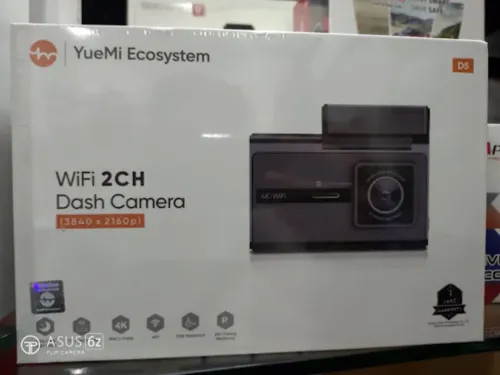
- Mark dashcam placement before fitting it. Keep the camera outside the driver’s main view and clear of airbags, sensors and wiper coverage.
- Verify seat-cover seams and cushions do not obstruct seat-mounted side airbags or occupancy sensors.
RS Car Accessories can earn your trust by completing this checklist on the vehicle, not by selling a universal part from a box.
| Evidence to approve | What you should receive | Stop if |
|---|---|---|
| Installer’s measurements | Photos, dimensions and test readings | The answer is “it will fit” |
| Legal confirmation | Named rule, limit or inspection requirement | No jurisdiction is identified |
| Handover test | Operating and safety checks | The installer skips a road-use check |
Related products
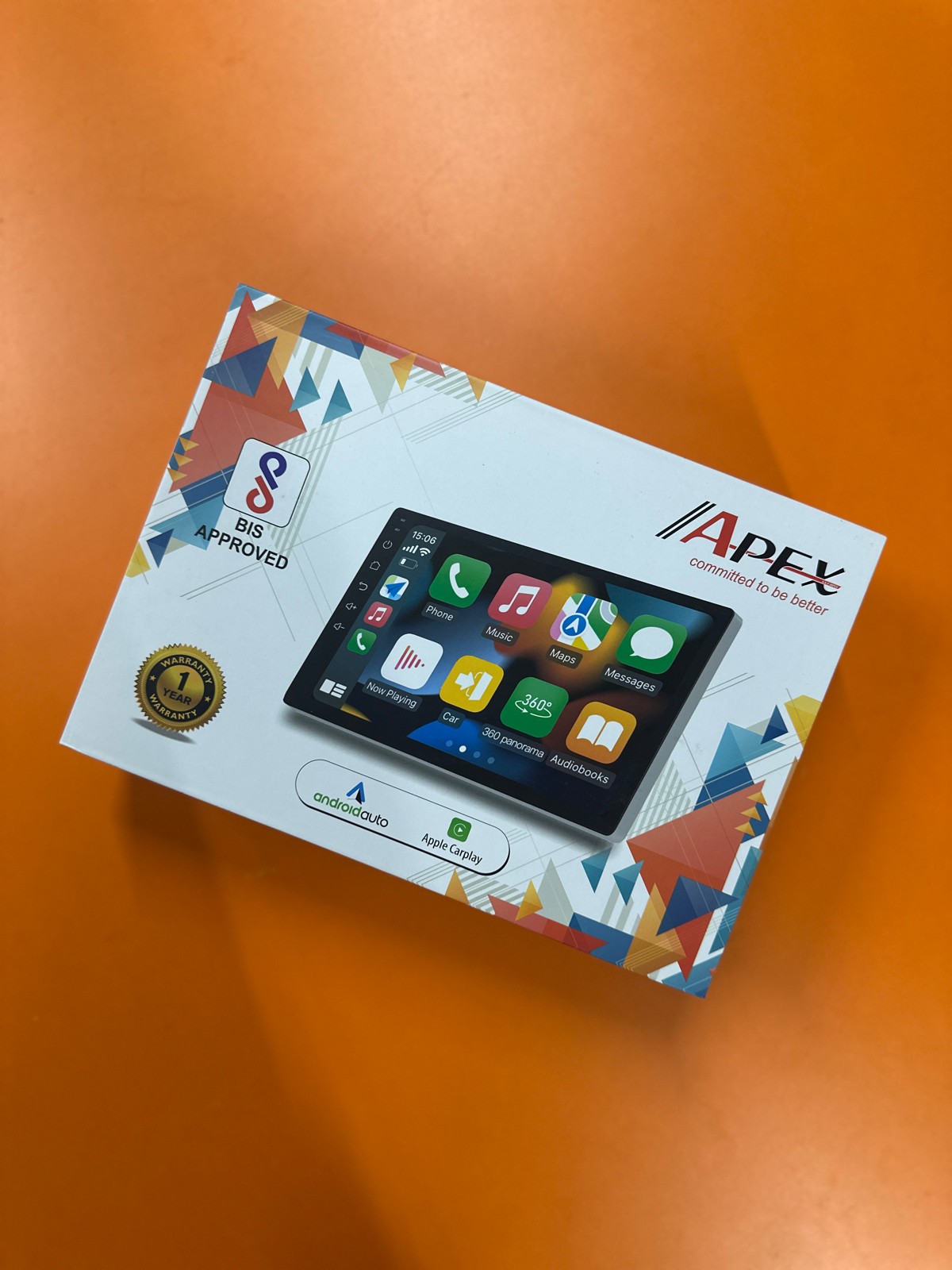 | Android car display ₹22000 Anroide car display , its have manys features make your car looks more luxuary and bluetooth mode ,sound , maps and more feature available View product → |
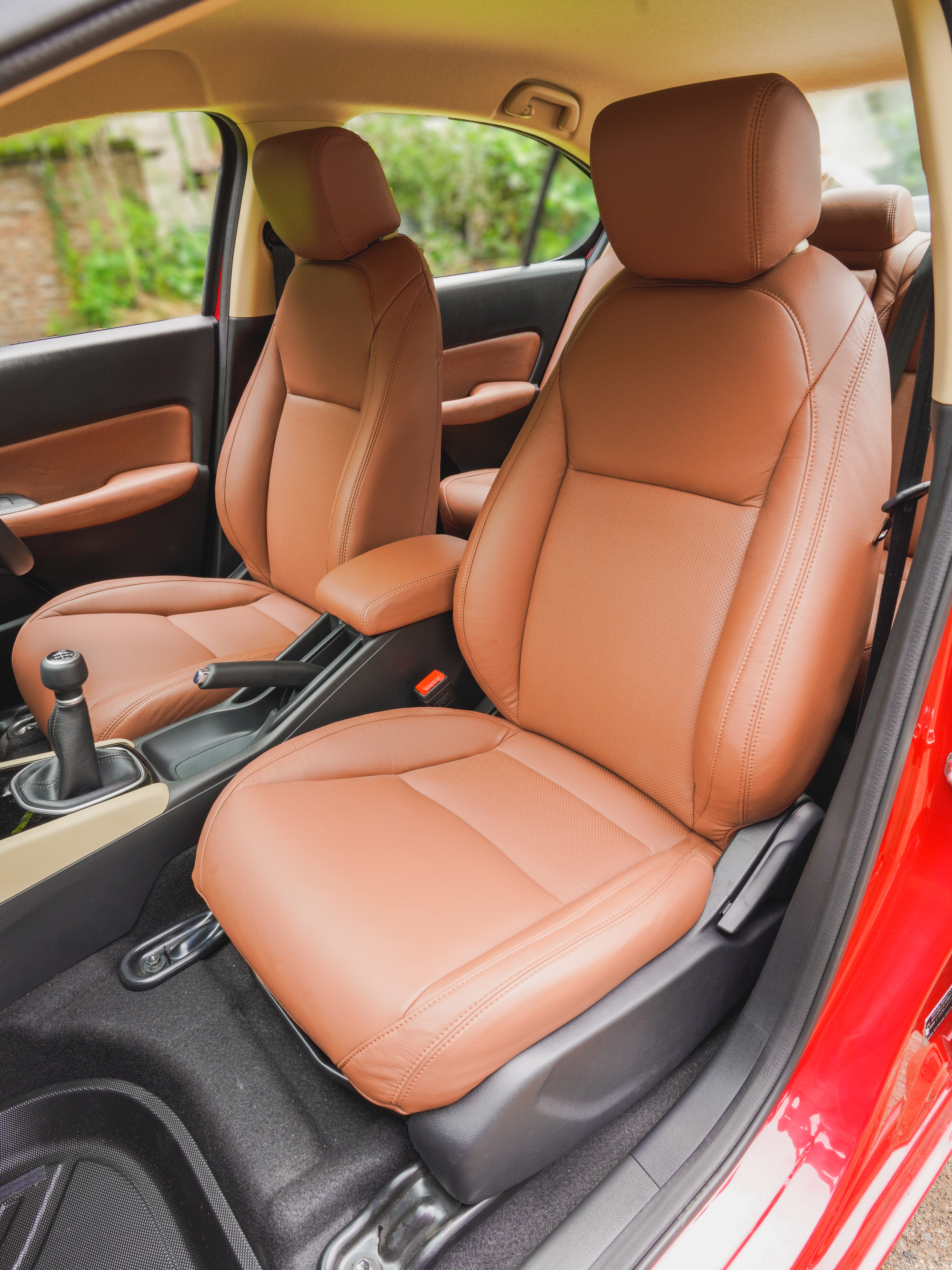 | Car Accessories ₹30000 Genuine seat cover for Honda city color brown. View product → |
Frequently asked questions
How should you prioritize car customization upgrades?
Start with safety equipment, then choose comfort, convenience technology and style upgrades based on your daily driving conditions.
How can you set a useful customization budget?
Spend first on upgrades that affect every journey, such as seating comfort, visibility, protection and reliable in-car technology.
Which interior customizations can affect restraint safety?
Avoid blocking airbags, seat-belt paths, head restraints or driver controls with upholstery, covers, screens and other accessories.
What should you check before installing wheels, suspension or displays?
Confirm ground clearance, tyre and wheel compatibility, visibility, control access, electrical fitment, installation quality and local legal requirements.
Related products
 | Car Wrap ₹45000 Complete car wrap View product → |
 | DASHCAM SMART DASHCAM PRO3K & REAR CAM ₹23999 record everything , avoid accident blame games , no more incorrect challan , fast track insurance claim , make beautiful journey vloge , View product → |
 | Dashcam ₹8999 high clarity , 360' rotatable , superior night vision, time laps , View product → |
 | Dashcam SMART DASHCAM PRO4K & REAR CAM ₹24990 G sensor for emergency, ADAS enable, always recording on , built in gps , HDR superior low light performance, support upto 1TB CARD View product → |