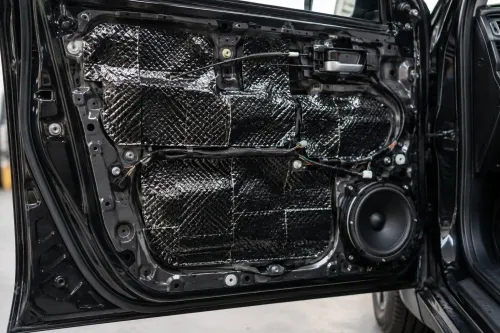
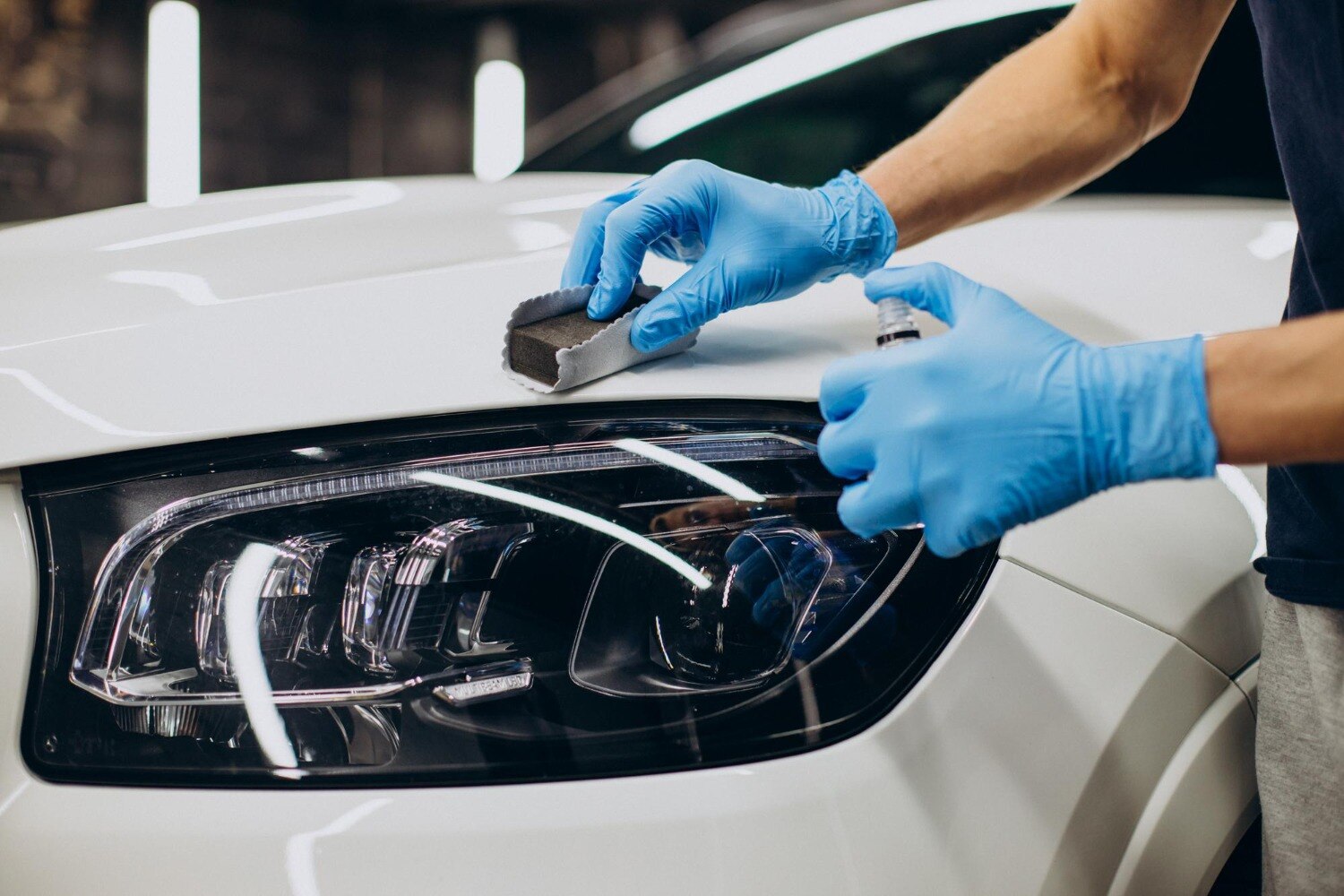
Road film, brake dust, UV exposure, spilled drinks and trapped moisture do more than make a car look untidy: they gradually affect paint, trim, upholstery and cabin air quality. By following a condition-based routine, you can decide what to clean yourself, what protection to apply and when a professional detail or separate repair is justified.
Key takeaways
- Detailing cleans, decontaminates and protects surfaces beyond a routine car wash.
- Vacuum spills quickly and use surface-specific cleaners to prevent stains, wear and odours.
- Wash from top to bottom, use separate wheel tools and dry paint with clean towels.
- Detail when contamination, stains or odours return—not only on a fixed calendar.
What Regular Detailing Includes—and What It Is Not
Regular car detailing is a planned reset of the cabin and body: vacuuming and treating interior surfaces, safely washing wheels and paint, drying, removing bonded contamination, and applying suitable protection. The car wash vs detailing distinction is depth.
Detailing is more thorough than a quick wash, but it does not automatically include defect removal or a permanent coating.
| Option | What it means | What it does not mean |
|---|---|---|
| Ordinary car wash | Shampoo, rinse and dry visible dirt | Removing bonded road film, correcting scratches or treating cabin materials |
| Cleaning | Removing loose dirt, stains or residue | Restoring faded paint or repairing damaged leather, plastic or trim |
| Polishing | Using an abrasive product to refine paint or gloss | Adding protection; repeated use can consume clear coat |
| Wax or sealant | A sacrificial film that improves water shedding and reduces direct contamination contact | Permanent protection; washing, weather and abrasion wear it away |
| Paint correction | Machine polishing to reduce swirls, oxidation and fine defects | Routine cleaning; deep scratches through the clear coat need repair |
| Ceramic coating | A durable coating bonded to prepared paint | A scratch-proof shield; it still needs washing and can fail over poor preparation |
Interior and exterior detailing may include glass, mats, tyres and trim, yet quality depends on process, not product count. Extraction must be followed by prompt drying; trapped moisture in foam or carpets creates odour and supports microbial growth. Detailers use chemical decontamination or clay for bonded particles that shampoo leaves behind.
Headlamp haze needs lens restoration and UV-resistant protection, not another wash; cracked lamps need replacement.
How an Interior Detailing Routine Prevents Wear and Odours
A dry, low-residue interior car detailing routine protects the cabin from dirt, UV fading, stains, cracking, mould and unpleasant smells. Start with car vacuuming, including seat seams, carpet edges, under the mats and door pockets, because trapped grit acts like sandpaper as you enter and exit.
- Remove floor mats, clean them separately and dry them fully before refitting.
- Wipe dashboard and trim cleaning products onto a microfibre cloth, not directly into vents, switches or screens. Choose a low-gloss, non-slip UV protectant; glossy silicone dressings can reflect in the windscreen and make steering wheels or pedals slippery.
- Treat spills immediately with the correct fabric cleaner. Blot rather than scrub, then dry the carpet and seat foam.
- Follow the vehicle maker’s instructions for leather seat care. Use controlled moisture on perforated leather, and avoid repeatedly soaking modern coated leather with oily conditioners that leave a greasy, dirt-attracting film.
- Clean interior glass without leaving a film that catches glare.
- Use extraction only when you can remove the recovered moisture and dry the cabin promptly. Damp carpets, foam and door pockets support microbial growth and persistent odour.
| Surface | Protective approach | Common failure |
|---|---|---|
| Fabric seats | Blot stains, extract carefully, dry completely | Leaving foam damp |
| Coated leather | Mild cleaner and approved protectant | Greasy conditioner buildup |
| Dashboard and trim | Low-gloss UV product | Slippery or reflective dressing |
How to Detail the Exterior Without Creating New Damage
Start with a cool vehicle parked in the shade, and keep dirty tools away from the paint. Exterior car detailing should move from the least abrasive cleaning to the more targeted stages, because rubbing grit into a dry panel creates scratches.
1. Remove bird droppings, insects and tree sap first. Soak each mark with car shampoo solution or a dedicated cleaner, then lift it with a lubricated microfibre towel. Never scrape or rub dried residue on a hot panel; acidic waste can etch clear coat.
2. Rinse the entire vehicle and wheel wells with a strong stream of water. This loosens road film, soot and loose brake dust before a wash mitt touches the surface.
3. Clean cool wheels separately. Test a wheel cleaner on an inconspicuous area, choose a formula suitable for the finish, and follow its dilution and dwell-time instructions. Acidic or highly alkaline products can stain wheels if they dry.
4. Perform brake dust removal with a soft wheel brush, then rinse the wheels and tyres completely.
5. Use a two-bucket car wash: one bucket holds shampoo solution and the other rinses the mitt. Wash from roof to lower panels, rinsing the mitt after each small section.
6. Dry with a clean, plush microfibre towel or filtered air. Then carry out paint decontamination with an iron remover and, when necessary, lubricated clay or synthetic clay media.
7. Polish only to correct measured defects, then apply wax or sealant. These films improve water shedding but are not permanent protection.
How Often Should You Detail a Car?
Car detailing frequency should follow exposure, not the calendar alone. A garage-kept car driven gently needs less attention than one parked outside and used every day.
- Outdoor parking: schedule a full detail every 2–3 months. Sun, rain and bird droppings increase paint wear; include UV protection for car interior when the cabin sits in direct sunlight.
- Monsoon weather: detail every 6–8 weeks, and clean muddy panels sooner. Monsoon car care matters because standing moisture and road grime can linger in carpets, door shuts and wheel arches.
- Dusty or polluted roads: detail every 6–8 weeks, with quicker washes between appointments. Dusty road car maintenance prevents abrasive grit and oily road film from building up on paint.
- Coastal roads or heavy traffic: use a 4–6-week interval. Salt and soot deserve prompt removal rather than repeated dry wiping.
- Children or frequent passengers: detail every 6–8 weeks, or immediately after drink spills, food stains or motion-sickness incidents. Delayed cleaning lets odours and stains penetrate fabric.
- Pets: schedule every 4–8 weeks, with prompt hair removal and accident cleanup. Wet fur and trapped moisture can create persistent smells.
- High annual mileage: shorten the interval to every 4–6 weeks, especially above 20,000 kilometres a year. Frequent motorway driving adds insects, tyre residue and stone-dust contamination.
Wash promptly after bird droppings, sap, spills or muddy trips; waiting for the next appointment can leave permanent marks.
Choosing the Right Level of Care for Your Car’s Condition
Choose routine detailing when the problem is removable dirt, odour, road film or light surface contamination. Choose paint correction when washing and decontamination leave swirls, water marks or oxidation that polishing can safely reduce. Choose a separate repair when the damage is structural, mechanical or deeper than the finish.
| Option | What it means | When it applies |
|---|---|---|
| Routine detailing | Cleaning, decontamination and basic interior care | The paint is intact and contamination is the main issue |
| Paint correction | Controlled polishing that removes a small amount of clear coat | Swirls, haze or oxidation remain after cleaning |
| Surface protection | Wax, sealant or ceramic coating applied to prepared surfaces | You want easier maintenance and reduced contamination contact |
| Separate repair | Bodywork, lamp replacement, rust treatment or upholstery repair | Paint is peeling, metal is corroding, a lamp is cracked or a seat is damaged |
Wax vs sealant vs ceramic coating is a durability and preparation decision, not a cure for poor paint. All form sacrificial protection; polishing removes clear coat and cannot be repeated indefinitely. Ceramic coating also fails to repair chips, peeling clear coat or corrosion.
Before booking professional car detailing, request a car detailing inspection and ask what will be corrected, protected and excluded. Check the promised finish under strong lighting, the products used, preparation steps and aftercare instructions.
- Photograph chips, stains, peeling lacquer and rust before work.
- Ask whether chemical decontamination or clay is needed.
- Confirm that perforated leather will not be soaked.
- Treat headlamp cracks, exposed metal and damaged seals as car detailing limitations; ask for repair instead. RS Car Accessories can help assess whether an accessory installation should wait until this inspection is complete.
Frequently asked questions
What does regular car detailing include?
It includes deep interior cleaning, vacuuming, surface treatment, wheel and paint washing, drying, contamination removal and protection. A routine car wash usually covers fewer steps.
How does interior detailing prevent wear and odours?
Vacuuming removes abrasive grit, while prompt spill cleaning prevents stains. Suitable cleaners for fabric, leather, plastic and glass reduce residue that traps odours.
How can you detail the exterior without damaging the car?
Use a top-to-bottom wash, separate wheel tools, clean water and soft drying towels. Remove bonded contamination carefully instead of scrubbing hard against the paint.
How often should you detail a car?
Set the schedule by use and condition. Clean spills promptly, wash when dirt builds up, and book deeper detailing when stains, odours or bonded contamination return.
How do you choose the right level of detailing?
Match the service to the problem: maintenance cleaning for sound vehicles, stain and odour treatment for neglected interiors, and paint decontamination or protection for marked exteriors.